
Maintaining a germ-free environment is essential, especially in bustling places like Chelsea. Cleaners in this area are well-versed in creating hygienic spaces for homes and businesses. Let’s explore the crucial steps they take to ensure every corner is spotless and safe.
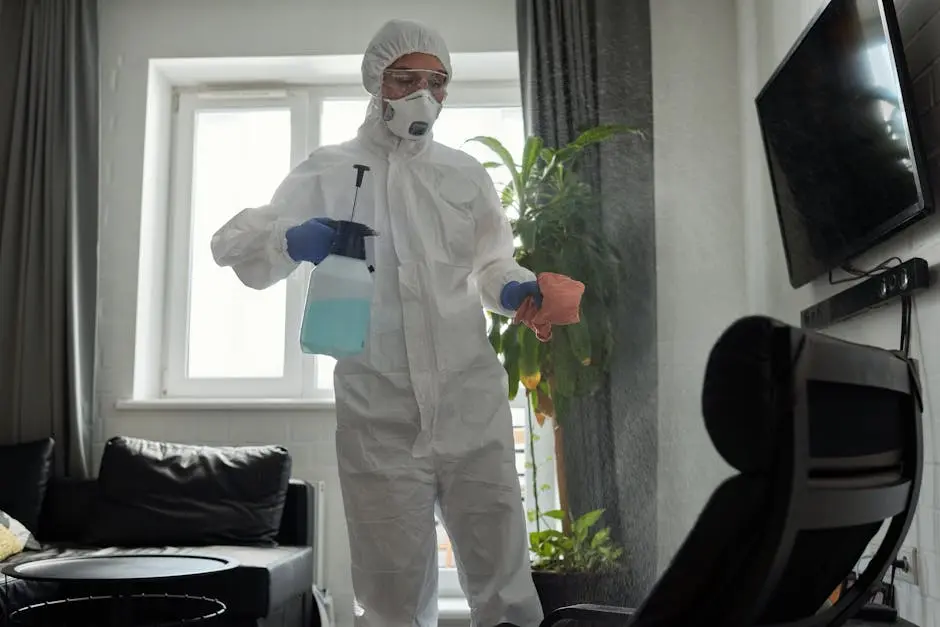
Step 1: Understanding High-Traffic Areas
Cleaners in Chelsea start by identifying zones that experience the most foot traffic and concentration. These areas are often hotspots for germs and need more frequent attention.
One strategy employed by cleaners is conducting thorough assessments of spaces to pinpoint high-touch surfaces. These might include door handles, light switches, and countertops. By focusing on these areas, cleaners help mitigate the spread of germs.
High-traffic areas are not just limited to commercial spaces. Residential properties in Chelsea also have specific zones that require frequent cleaning, particularly kitchens and bathrooms where moisture can foster bacterial growth.
Step 2: Choosing Effective Cleaning Agents
Selecting the right cleaning agents is crucial. Chelsea’s cleaners often opt for products that are not only effective against bacteria and viruses but are also environmentally friendly.
To ensure both safety and sustainability, many cleaners in Chelsea prefer using green cleaning products. Such products are designed to minimize harmful chemical exposure, making them safe for both humans and pets.
Moreover, by choosing biodegradable cleaning agents, local cleaners contribute to reducing environmental impact, preserving the community’s health and well-being.
Step 3: Implementing Systematic Cleaning Routines
Regular and systematic cleaning schedules ensure no nook or cranny is missed. Cleaners follow structured routines to maintain consistency and thoroughness in their work.
Establishing a cleaning schedule that aligns with the specific needs of each space is vital. For instance, in commercial establishments, daily cleaning routines might be necessary, whereas residential spaces might require bi-weekly deep cleaning.
The implementation of structured routines allows cleaners to be both efficient and thorough. By sticking to proven strategies, cleaners can ensure every assignment is performed to the highest standards.
Tracking progress and adapting routines based on periodic assessments ensures that cleaning efforts remain effective over time.
Step 4: Utilizing Advanced Cleaning Equipment
Modern equipment such as steam cleaners and HEPA filter vacuums are frequently used to enhance the effectiveness of cleaning efforts in Chelsea.
The utilization of HEPA filters ensures that even the tiniest particles, which might carry allergens or pathogens, are captured, resulting in healthier indoor air quality.
Steam cleaning leverages the power of heat to sanitize surfaces without the need for harsh chemicals, making it an eco-friendly choice for conscientious cleaners.
By incorporating such advanced technology into their cleaning regimens, Chelsea cleaners provide a level of sanitation that goes beyond mere surface cleaning, ensuring deeper and more thorough results.
Step 5: Training and Skill Development
Continuous training and skill enhancement ensure that cleaners in Chelsea are updated with the latest techniques and standards in hygiene practices.
Participating in regular workshops and training sessions gives cleaners access to the newest innovations in the industry, such as emerging sanitizing solutions or cutting-edge equipment.
Ongoing education not only enhances a cleaner’s skill set but also empowers them to provide better customer service by being knowledgeable and adaptable to various cleaning challenges.
Ultimately, well-trained cleaners contribute significantly to maintaining a germ-free environment by staying informed and proactive. This commitment to excellence is a hallmark of professional services in Chelsea.
The Final Word on Cleanliness in Chelsea
In Chelsea, professional cleaners go above and beyond to ensure a germ-free environment. With meticulous planning, the right tools, and thorough practices, they’re not just protecting spaces but also the people who use them. Trusting trained professionals can make all the difference in maintaining a healthy and hygienic setting.